
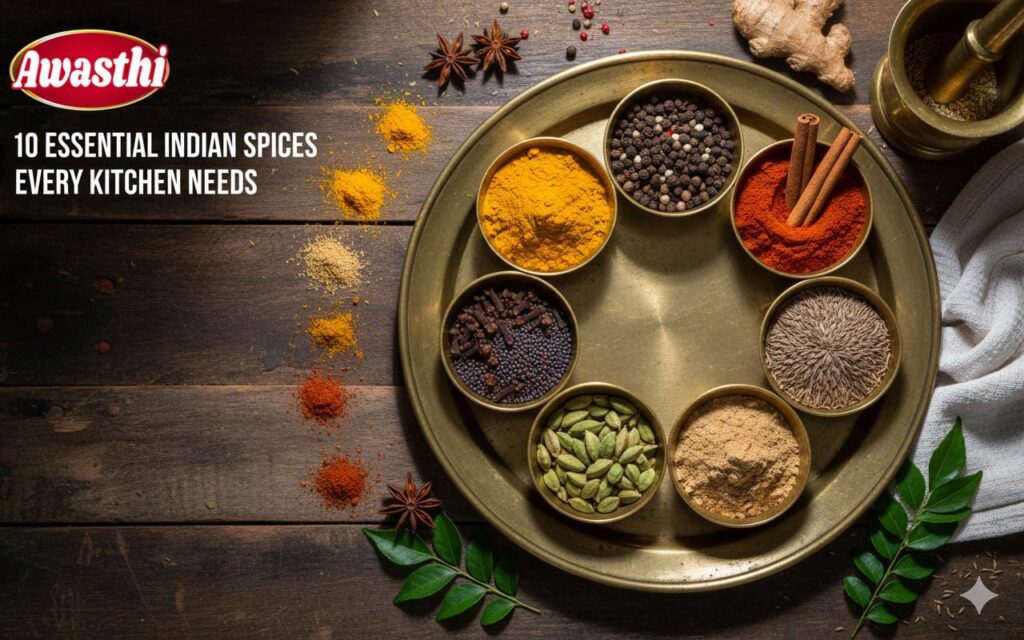
Contents
- 1 Best 10 Essential Indian Spices Every Kitchen Needs
- 1.1 TL;DR — 10 Essential Indian Spices Every Kitchen Needs
- 1.2 Understanding Indian spice basics
- 1.3 1.Turmeric : The Golden Foundation
- 1.4 2.Cumin: The Aromatic Workhorse
- 1.5 3.Coriander: The Sweet Balance
- 1.6 4.Garam Masala: The Finishing Touch
- 1.7 5.Cardamom: The Fragrant Jewel
- 1.8 6.Red Chili Powder: The Heat Provider
- 1.9 7.Black Pepper: The Original Spice
- 1.10 8.Cinnamon: The Sweet Spice
- 1.11 9.Mustard Seeds: The Popping Flavor
- 1.12 10.Fenugreek: The Secret Ingredient
- 1.13 How to Build Your Essential Indian Spice Collection
- 1.14 Storage and Shelf Life Tips
- 1.15 Health Benefits of Essential Spices
- 1.16 Common Mistakes to Avoid
- 1.17 Cooking Techniques for Maximum Flavor
- 1.18 Conclusion
- 1.19 FAQs
- 1.19.1 What are the 5 most important Indian spices?
- 1.19.2 Can I substitute ground spices for whole spices?
- 1.19.3 How long do Indian spices stay fresh?
- 1.19.4 Do I need to buy expensive spices?
- 1.19.5 What is the difference between curry powder and garam masala?
- 1.19.6 Should I toast all spices before using them?
- 1.19.7 Can I make my own spice blends at home?
- 1.19.8 Where should I store my spice collection?
- 1.19.9 Are Indian spices suitable for beginners?
- 1.19.10 How much spice should I use per serving?
- 1.20 Ready to Transform Your Cooking?
Best 10 Essential Indian Spices Every Kitchen Needs
The 10 essential Indian spices are turmeric, cumin, coriander, garam masala, cardamom, red chili powder, black pepper, cinnamon, mustard seeds, and fenugreek. These form the foundation of authentic Indian cooking.
Indian cooking has captured hearts worldwide with its bold flavors and aromatic dishes. The secret lies not in complicated techniques but in understanding which spices to use. Many home cooks feel overwhelmed when starting their Indian cooking journey. They wonder which spices are truly necessary and which ones they can skip. an essential indian spices
This guide breaks down the ten spices you absolutely need in your kitchen. You will learn what each spice does, how to use it, and why it matters. By the end, you will feel confident creating authentic Indian meals without needing dozens of jars cluttering your pantry. Whether you are making butter chicken, dal, or biryani, these spices will cover all your needs.
The beauty of Indian cuisine lies in its versatility. The same ten spices can create hundreds of different dishes. You just need to know the right combinations and proportions. Let’s explore each spice and unlock the flavors that make Indian food so special.This guide breaks down the ten spices you absolutely need in your kitchen. You will learn what each spice does, how to use it, and why it matters. By the end, you will feel confident creating authentic Indian meals without needing dozens of jars cluttering your pantry. Whether you are making butter chicken, dal, or biryani, these essential Indian spices will cover all your needs is an essential indian spices
TL;DR — 10 Essential Indian Spices Every Kitchen Needs
To cook authentic Indian food, you only need ten core spices: turmeric, cumin, coriander, garam masala, cardamom, red chili powder, black pepper, cinnamon, mustard seeds, and fenugreek. The essential Indian spices.
These spices form the backbone of Indian cuisine — adding flavor, aroma, color, and even health benefits.
- Turmeric gives color and anti-inflammatory power.
- Cumin & coriander build earthy, balanced flavor.
- Garam masala finishes dishes with warmth.
- Cardamom & cinnamon add sweetness and fragrance.
- Red chili powder & black pepper bring heat and depth.
- Mustard seeds & fenugreek add sharp, nutty undertones.
Store spices in airtight containers, away from heat and light, to keep them fresh. Whole spices last 2–3 years; ground ones about 6–12 months.
Start with these ten essentials indian spice to make dishes like dal, biryani, curry, and sabzi easily. Quality matters more than quantity — fresh, pure spices like Awasthi Masale’s make all the difference.
Understanding Indian spice basics
Indian cooking relies on layering spices to build depth and complexity. Unlike Western cooking where herbs often play a supporting role, spices take center stage in Indian dishes. Each spice brings its own character to the table.
Spices serve multiple purposes in Indian cooking. They add flavor, color, aroma, and even health benefits. Many Indian spices have been used in traditional medicine for centuries. Modern science now confirms many of these traditional uses.
The concept of “masala” simply means a mixture of spices. Different regions in India have their own signature spice blends. However, most of these regional variations use the same core spices. Once you master these essential ten, you can experiment with countless combinations an essential indian spices.
Temperature matters when cooking with spices. Some spices bloom when heated in oil, releasing their essential oils. Others work better when added toward the end of cooking. Understanding these basics will elevate your dishes significantly.
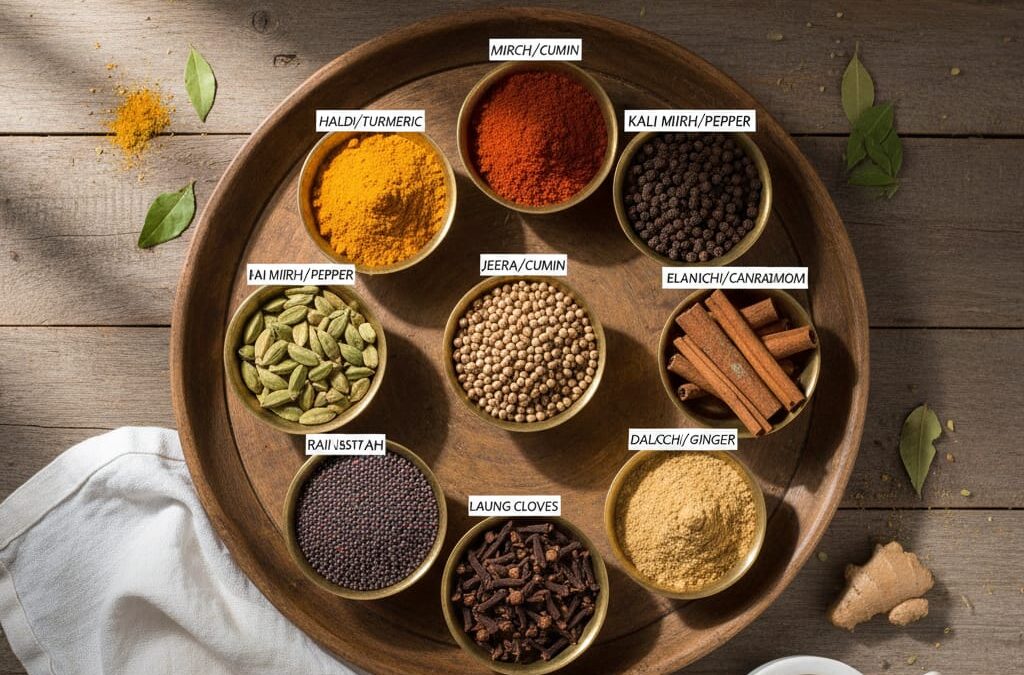
1.Turmeric : The Golden Foundation
Turmeric forms the base of most Indian curries. This bright yellow spice comes from the root of the Curcuma longa plant. Ground turmeric powder is the most common form used in cooking.
The compound curcumin gives turmeric its distinctive color and health properties. It has powerful anti-inflammatory effects. Many people now take turmeric supplements for various health conditions. Its an essental indian spice.
In cooking, turmeric adds an earthy, slightly bitter flavor. It also gives dishes their characteristic golden color. You will find turmeric in almost every savory Indian dish. From dal to chicken curry to vegetable stir-fries, this spice appears consistently.
Fresh turmeric root looks similar to ginger but has a bright orange interior. You can grate fresh turmeric for a more intense flavor. However, the dried powder is more convenient and has a longer shelf life an essential indian spices
Use turmeric early in the cooking process. Add it to hot oil along with other whole spices. This helps remove its raw taste. Be careful with quantities though. Too much turmeric can make dishes taste bitter and muddy.
A typical serving uses about half a teaspoon of turmeric powder for four people. This amount provides flavor and color without overwhelming the dish. Turmeric stains easily, so handle it carefully. Your hands and cutting boards might turn yellow temporarily.
Awasthi Masale’s turmeric powder comes from high-quality roots with high curcumin content. This ensures maximum flavor and health benefits in every pinch.
2.Cumin: The Aromatic Workhorse
Cumin seeds and cumin powder are absolute essentials in Indian cooking. This spice has a warm, earthy flavor with a slight citrus note. You will recognize its distinctive aroma immediately.
Whole cumin seeds work perfectly for tempering. Heat them in oil until they sizzle and darken slightly. This process releases their aromatic oils. The technique is called “tadka” or tempering in Indian cooking.
Ground cumin powder blends into gravies and dry dishes. It adds depth without changing the texture. Many spice blends include cumin as a key ingredient. You simply cannot make authentic Indian food without it.
Cumin aids digestion according to traditional Ayurvedic medicine. Many Indian meals end with cumin water for this reason. The spice also contains antioxidants and may help with blood sugar control.
Toast cumin seeds before grinding them for maximum flavor. Heat a dry pan over medium heat. Add the seeds and stir constantly for two to three minutes. They should turn a shade darker and smell intensely aromatic. Let them cool before grinding.
Store both whole seeds and powder in airtight containers. Whole seeds last much longer than powder. Grind small batches as needed for the freshest taste.
For everyday cooking, keep both forms handy. Use whole seeds for dal, rice dishes, and tempering. Use powder for curries, marinades, and spice blends. About one teaspoon of cumin per dish typically works well.
3.Coriander: The Sweet Balance
Coriander seeds provide a sweet, also is an essential indian spices citrusy flavor that balances other spices. Ground coriander powder is one of the most used spices in Indian cooking. It forms the backbone of many curry powders and masala blends.
The coriander plant gives us both seeds and fresh leaves. The leaves are called cilantro or fresh coriander. The seeds taste completely different from the leaves. Some people who dislike cilantro still enjoy coriander seeds.
Coriander has a cooling effect in Ayurveda. It pairs beautifully with heating spices like chili and black pepper. This balance is crucial in Indian cooking philosophy.
Dry roasting coriander seeds brings out their full flavor. Like cumin, toast them in a dry pan until fragrant. The aroma becomes sweeter and more complex. Grind them fresh for the best results.
Coriander powder works in almost every savory dish. It thickens gravies slightly and adds body. Use it generously compared to other spices. Many recipes call for two to three teaspoons of coriander powder.
The spice contains vitamins and may help lower blood sugar levels. It also has anti-inflammatory properties. Ancient texts describe using coriander for various ailments.
Combine coriander and cumin in equal parts for a basic spice base. This combination appears in countless recipes. Many home cooks make this mixture in advance. It saves time and ensures consistent flavor.
Quality matters with coriander powder. Fresh powder should smell sweet and citrusy. Old powder loses its aroma and can taste stale. Awasthi Masale ensures freshness through proper processing and packaging.
4.Garam Masala: The Finishing Touch
Garam masala means “hot spice blend” in Hindi. However, hot refers to the spices’ warming properties, not their heat level. This blend typically includes cinnamon, cardamom, cloves, black pepper, cumin, and coriander.
Different regions and families have their own garam masala recipes. Some versions are simple with five spices. Others include ten or more ingredients. No single recipe is correct. an essential indian spices
Add garam masala toward the end of cooking. It acts as a finishing spice that brightens dishes. Cooking it too long can make the flavors dull. Sprinkle it in during the last five minutes.
You can also dust garam masala over finished dishes. This technique adds an aromatic top note. Many restaurants do this for presentation and aroma.
Making garam masala at home gives you control over the blend. Toast whole spices together and grind them. Store the powder in an airtight container. However, buying pre-made garam masala saves significant time.
The warming spices in garam masala aid digestion. They also have antimicrobial properties. Traditional medicine uses these spices to boost immunity. an essential indian spices
Use garam masala sparingly at first. A quarter teaspoon per serving is often enough. You can always add more but cannot remove it. The blend is powerful and should enhance, not overpower.
Awasthi Masale’s garam masala follows a time-tested recipe. It balances all the spices perfectly. The blend works in everything from simple dal to elaborate curries. An essential indian spices
5.Cardamom: The Fragrant Jewel
Cardamom is one of the most expensive spices in the world. Thankfully, a little goes a long way. This spice comes in two main varieties: green and black. Green cardamom is more common in cooking.
The small green pods contain tiny black seeds. These seeds hold all the flavor. Crushing the pods releases an intense, sweet aroma. The taste is floral, citrusy, and slightly minty. an essential indian spices
Both whole pods and ground powder are useful. Whole pods work well in rice dishes and slow-cooked curries. Remove them before serving as they are not meant to be eaten whole. Ground cardamom powder suits desserts and chai masala.
Cardamom features prominently in Indian sweets and beverages. Masala chai would not be complete without it. Many desserts like kheer and gulab jamun use cardamom for fragrance.
This spice also works in savory dishes. It is a key ingredient in biryani and pulao. A few pods in the rice while cooking impart subtle flavor.
Black cardamom is larger and has a smoky flavor. Use it specifically when recipes call for it. The two types are not interchangeable despite sharing a name.
Cardamom aids digestion and freshens breath. Many Indian restaurants offer cardamom seeds after meals. The spice contains antioxidants and may support heart health an essential indian spices
Buy whole pods rather than pre-ground powder when possible. The powder loses its aroma quickly. Grind pods as needed using a mortar and pestle. Remove the green husk and grind only the seeds inside. essential Indian spices.
6.Red Chili Powder: The Heat Provider
Red chili powder adds heat to Indian dishes. It comes from dried and ground red chilies. Different varieties offer different heat levels. Kashmiri chili powder provides color with mild heat. Regular red chili powder brings more spiciness.
Indian cuisine is known for being spicy, but not all Indian food is extremely hot. The heat level depends on how much chili powder you use. You can always adjust it to your preference of an essential indian spices
Chili powder contains capsaicin, which gives peppers their heat. This compound has several health benefits. It may boost metabolism and reduce inflammation.
Add chili powder carefully at the beginning of cooking. Too much can overwhelm other flavors. Start with a quarter teaspoon per serving and increase gradually. Remember that different brands have different heat levels.
Kashmiri chili powder is worth keeping separately. It adds beautiful red color without much heat. Many restaurant dishes use it for visual appeal. The mild heat lets you add color without making dishes too spicy. Essential Indian spice
Whole dried red chilies also have their place. Toast them in hot oil for tempering. Break them in half to release more heat. Remove them before serving if you want milder flavor.
Fresh green chilies offer a different kind of heat. They taste brighter and more vegetal. Indian cooking uses both fresh and dried chilies for complexity an essential indian spices.
Store chili powder away from light to maintain its color. Heat and moisture degrade the capsaicin over time. Properly stored powder lasts six months to a year.
7.Black Pepper: The Original Spice
Black pepper was once so valuable it was called “black gold.” India is one of the largest producers of black pepper. This spice grows on vines in warm, humid climates.
Whole peppercorns and ground pepper serve different purposes. Whole peppercorns add subtle heat to slow-cooked dishes. Ground pepper provides immediate spiciness. Always grind peppercorns fresh for maximum flavor.
Black pepper enhances the bioavailability of other spices. It helps your body absorb curcumin from turmeric more effectively. This is why many spice blends include black pepper.
The spice contains piperine, which gives it heat and aroma. Piperine has its own health benefits. It may improve digestion and has antioxidant properties.
Use black pepper in garam masala and rasam. It works in both vegetarian and non-vegetarian dishes. Many South Indian dishes feature black pepper prominently. Its the most important spice among the 10 essential spices
Freshly cracked pepper tastes completely different from pre-ground. The essential oils evaporate quickly once ground. A pepper mill should be a kitchen staple.
Add ground pepper toward the end of cooking. High heat for too long can make it bitter. For tempering, add whole peppercorns to hot oil. They will pop and release their aroma.
Tellicherry peppercorns are considered the finest quality. They come from Kerala, India. These peppercorns are larger and more flavorful than regular ones thats what it makes it an essential indian spices.
8.Cinnamon: The Sweet Spice
Cinnamon adds warmth and sweetness to dishes. Indian cuisine uses true cinnamon, also called Ceylon cinnamon. This differs from cassia, which is more common in Western cooking.
Cinnamon sticks are the dried bark of the cinnamon tree. These sticks infuse their flavor into dishes during cooking. Ground cinnamon powder works in spice blends and baking.
The spice features in both savory and sweet preparations. Biryani and pulao often include whole cinnamon sticks. Many Indian desserts use ground cinnamon for warmth.
Cinnamon helps regulate blood sugar according to research. It has antimicrobial properties and contains antioxidants. Traditional medicine uses cinnamon for various health conditions.
A small piece of cinnamon stick goes a long way. One or two inch pieces per pot of rice is sufficient. Too much cinnamon can overpower other flavors as an essential indian spices
Remove whole cinnamon sticks before serving. They are not meant to be eaten directly. Accidentally biting into a cinnamon stick is unpleasant. This was The 8th among 10 Essential Indian Spices Every Kitchen Needs
Ceylon cinnamon has a more delicate flavor than cassia. It is also safer for regular consumption. Cassia contains higher levels of coumarin, which can be harmful in large amounts.
Store cinnamon sticks in airtight containers. They maintain their flavor for years. Ground cinnamon loses potency faster. Buy it in small quantities for freshness.
9.Mustard Seeds: The Popping Flavor
Mustard seeds are tiny but mighty. They provide a nutty, sharp flavor when heated in oil. The seeds pop and crackle, adding texture and visual interest. The 9th among 10 Essential Indian Spices Every Kitchen Needs
Black and yellow mustard seeds are both used in Indian cooking. Black seeds are more pungent and common in South Indian dishes. Yellow seeds appear in pickles and some North Indian preparations.
The tempering technique showcases mustard seeds perfectly. Heat oil until it shimmers. Add mustard seeds and cover the pan. They will pop vigorously. Once the popping slows, add other spices and ingredients.
Mustard seeds contain compounds that may have cancer-fighting properties. They also provide selenium, magnesium, and omega-3 fatty acids. Traditional medicine uses mustard for various purposes.
Mustard oil is also used in cooking, especially in Bengali and North Indian cuisine. The oil has a pungent flavor that mellows with heating.
Mustard seed powder can be mixed into yogurt marinades. It tenderizes meat and adds depth. Many South Indian chutneys include ground mustard seeds. an essential indian spices
Whole seeds keep their flavor almost indefinitely. Store them in a cool, dark place. Buy them whole and grind as needed for maximum freshness.
One teaspoon of mustard seeds per dish provides adequate flavor. They work particularly well with lentils, vegetables, and rice dishes.
10.Fenugreek: The Secret Ingredient
Fenugreek seeds have a slightly bitter, maple-like flavor. They are often overlooked but add incredible depth to dishes. Both the seeds and dried leaves are used in Indian cooking. The last among 10 Essential Indian Spices Every Kitchen Needs.
The seeds need careful handling. Too much creates bitterness. Toast them lightly to reduce their raw taste. Use no more than half a teaspoon per dish . The essential indian spice.
Fenugreek seeds feature prominently in South Indian cooking. They appear in sambars, rasams, and various vegetable dishes. Many curry powder blends include fenugreek.
Dried fenugreek leaves are called kasuri methi. They add a unique flavor to gravies and dry dishes. Crush the dried leaves between your palms before adding to release their aroma.
This spice has several health benefits. It may help control blood sugar and cholesterol levels. Fenugreek also supports digestion and has anti-inflammatory properties.
Soak fenugreek seeds overnight to reduce bitterness. The soaked seeds can be added to curries or ground into pastes. Sprouted fenugreek seeds are sometimes used in salads.
Fresh fenugreek leaves have a different application. They taste more bitter than the dried version. Indian cuisine uses them in dishes like methi paratha and aloo methi.
Store fenugreek seeds in airtight containers away from moisture. They can become rock hard if exposed to humidity. Keep dried leaves in sealed bags to maintain their aroma.
How to Build Your Essential Indian Spice Collection
Starting your Indian spice collection can feel overwhelming. Focus on these ten essentials first. You can gradually add specialty spices as you explore more recipes.
Buy whole spices when possible. They last longer and taste fresher. Invest in a good spice grinder or mortar and pestle. This gives you control over texture and freshness.
Quality matters more than quantity. One jar of high-quality turmeric will serve you better than three jars of stale powder. Look for vibrant colors and strong aromas when shopping. an essential indian spices
Organize your spices in a cool, dark place. A dedicated spice drawer or cabinet works well. Label everything clearly with purchase dates. This helps you track freshness.
Start with small quantities until you know what you use most. Some spices go quickly while others last months. Adjust your purchasing based on actual usage.
Many online retailers now offer spice subscription boxes. These can be convenient for regular users. However, buying from established brands like Awasthi Masale ensures consistency and quality.
Consider buying spice blends initially. Garam masala, chaat masala, and sambar powder make cooking easier. Once comfortable, you can make your own custom blends.
Storage and Shelf Life Tips
Proper storage extends the life of your spices significantly. Keep them away from heat, light, and moisture. These three elements degrade spices quickly.
Use glass or metal containers with tight-fitting lids. Plastic can absorb odors and may not seal completely. Clear glass jars let you see your spices but should be stored in dark places.
Whole spices last much longer than ground ones. Whole spices can maintain quality for two to three years. Ground spices start losing potency after six months for an essential indian spices
Label each container with the name and date. This simple step prevents confusion and helps track freshness. Replace spices that have lost their aroma.
Never sprinkle spices directly over steaming pots. The steam entering the jar introduces moisture. This causes clumping and promotes mold growth. Always use a clean, dry spoon.
Keep your spice collection away from the stove. The heat accelerates flavor loss. A nearby cabinet might seem convenient but is not ideal.
Smell your spices before using them. Fresh spices should have strong, distinct aromas. If a spice smells weak or musty, it is time for replacement.
Consider buying smaller quantities of expensive spices. Cardamom and saffron lose quality over time. Fresh purchases every few months ensure peak flavor.
Health Benefits of Essential Spices
Indian spices offer more than just flavor. Many contain compounds with proven health benefits. Ancient Ayurvedic medicine has used these spices for thousands of years.
Turmeric’s anti-inflammatory properties are well documented. Research shows curcumin may help with arthritis, depression, and heart health. Regular consumption might reduce inflammation throughout the body an essential indian spices
Cumin aids digestion and may improve blood sugar control. It contains antioxidants that protect cells from damage. Some studies suggest it might help with weight management.
Cinnamon helps regulate blood sugar levels. It may improve insulin sensitivity in people with diabetes. The spice also has antimicrobial properties that fight infections.
Black pepper enhances nutrient absorption. It makes other beneficial compounds more bioavailable. This is why many supplements now include piperine.
However, spices are not medicine. Do not use them as substitutes for medical treatment. They work best as part of a balanced diet.
The combination of multiple spices may provide synergistic benefits. This is one reason why traditional Indian meals are so healthful. The variety ensures a broad range of protective compounds.
Moderation is key with all spices. Excessive amounts can cause digestive upset. Stick to normal culinary quantities for best results.
Common Mistakes to Avoid
Many beginners make the same mistakes when cooking with Indian spices. Knowing these pitfalls helps you avoid them.
Using old, stale spices is the biggest mistake. They add little flavor and can taste dusty. Replace spices regularly for best results. and does not feel like an essential indian spices
Adding too many spices at once creates muddy flavors. Let each spice shine by using them thoughtfully. More is not always better.
Burning spices is another common error. Watch the heat carefully during tempering. Burnt spices taste bitter and can ruin an entire dish.
Not toasting spices when required skips a crucial step. This process unlocks deeper flavors. Take the extra minute to toast spices properly.
Using the wrong form of spice affects results. Whole and ground versions serve different purposes. Use recipes as guides for which form to use.
Skipping the tempering step eliminates depth. This technique is fundamental to Indian cooking. Do not skip it unless specifically instructed.
Adding garam masala too early wastes its aroma. Remember it is a finishing spice. Add it near the end for maximum impact.
Cooking Techniques for Maximum Flavor
Understanding basic techniques helps you use spices effectively. These methods apply across countless recipes.
Tempering or tadka is the foundation. Heat oil or ghee in a pan. Add whole spices and let them sizzle. This releases essential oils into the fat. Pour this mixture over finished dishes or use it to start cooking.
Blooming spices in oil works similarly. Add ground spices to hot oil briefly. Stir constantly to prevent burning. This step intensifies flavors significantly.
Dry roasting brings out nutty notes. Heat a pan without oil. Add whole spices and stir constantly. Toast until aromatic and slightly darker. Let cool before grinding.
Making fresh spice pastes adds depth to curries. Grind spices with water, ginger, garlic, or onions. These pastes form the flavor base of many dishes.
Layering spices throughout cooking creates complexity. Add some spices at the beginning, more during cooking, and finishing spices at the end. This builds depth that single additions cannot achieve.
Balancing spices is an art. Learn which spices work together. Understand which ones dominate and which support. Practice helps develop this intuition.
Conclusion
These ten essential Indian spices form the foundation of countless dishes. With turmeric, cumin, coriander, garam masala, cardamom, red chili powder, black pepper, cinnamon, mustard seeds, and fenugreek, you can create authentic Indian meals at home. an essential indian spices
Quality spices make a real difference in your cooking. Fresh, properly stored spices deliver superior flavor and aroma. They also provide maximum health benefits.
Start experimenting with these spices today. Try simple recipes first to understand each spice’s character. As you gain confidence, explore more complex combinations. an essential indian spices
Indian cooking is more accessible than you think. You do not need dozens of exotic ingredients. These ten spices cover most recipes you will encounter. Master them and you master the basics of Indian cuisine.
Awasthi Masale offers all these essential spices with guaranteed freshness and purity. Their commitment to quality ensures you get authentic flavors in every product. Visit their website to stock your spice cabinet with confidence. an essential indian spices
Remember that cooking is a journey. Each meal teaches you something new about flavors and combinations. Enjoy the process and do not worry about perfection.
FAQs
What are the 5 most important Indian spices?
The five most critical spices are turmeric, cumin, coriander, red chili powder, and garam masala. These form the base for most Indian dishes.
Can I substitute ground spices for whole spices?
Yes, but proportions differ. Use half to one-third the amount when substituting ground for whole. Flavors will also differ slightly.
How long do Indian spices stay fresh?
Whole spices last two to three years. Ground spices maintain peak flavor for six months to one year when stored properly.
Do I need to buy expensive spices?
Not necessarily, but quality matters. Mid-range brands like Awasthi Masale offer excellent quality at reasonable prices. Avoid the cheapest options.
What is the difference between curry powder and garam masala?
Curry powder is a British invention with turmeric base. Garam masala is authentic Indian with warming spices. They are not interchangeable.
Should I toast all spices before using them?
No, only toast spices when recipes specifically call for it. Toasting suits cumin, coriander, and whole spices for grinding.
Can I make my own spice blends at home?
Absolutely. Homemade blends taste fresher and let you control ingredients. Start with garam masala using simple recipes available online.
Where should I store my spice collection?
Store spices in a cool, dark, dry place. Avoid cabinets near stoves or windows. Proper storage dramatically extends shelf life.
Are Indian spices suitable for beginners?
Yes, Indian spices are beginner-friendly. Start with simple recipes using few spices. Build confidence before attempting complex dishes.
How much spice should I use per serving?
This varies by spice and dish. Start with recommended amounts in recipes. Adjust based on personal taste. You can always add more.
Ready to Transform Your Cooking?
Discover authentic, premium-quality spices from Awasthi Masale. Our commitment to purity and freshness brings restaurant-quality flavors to your home kitchen. Shop our collection of essential Indian spices today and experience the difference quality makes. visit https://awasthimasale.com/ For grabing the essential Indian spices.
🔗 External Authority Source:
National Center for Biotechnology Information (NCBI):
https://www.ncbi.nlm.nih.gov/pmc/articles/PMC5664031/
General article on spices & health: “Can everyday spices make you healthier?” — Harvard Health Publishing. Harvard Health
“Loved this post! Your explanation of the 10 essential Indian spices was so clear and insightful. Even as someone familiar with Indian cooking, I picked up new tips. This is a great guide for beginners and food lovers alike—beautifully written!”