
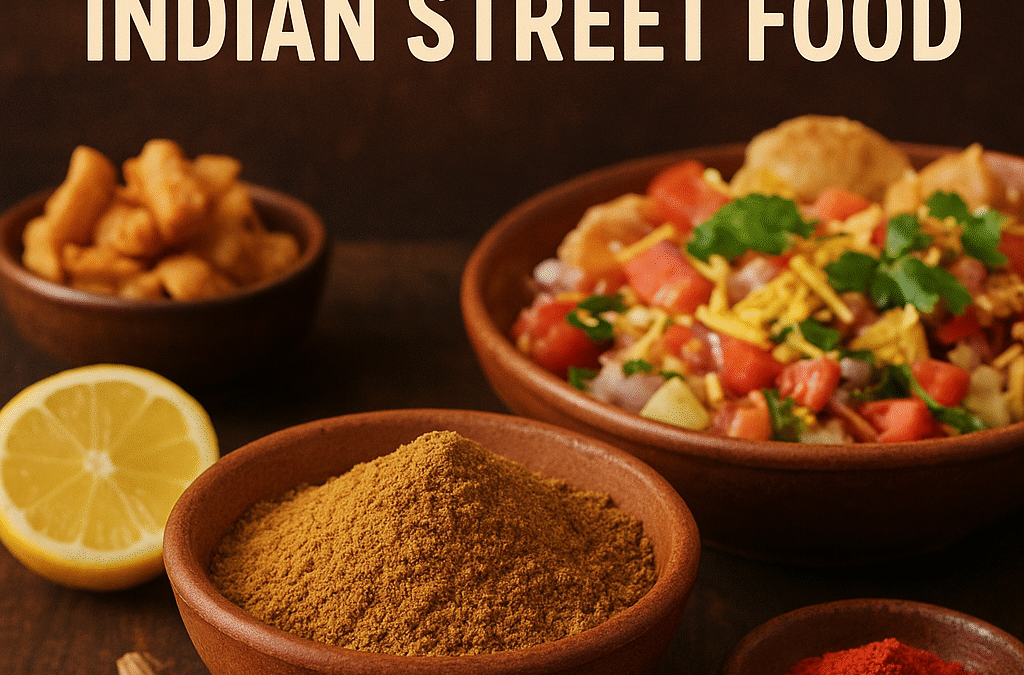
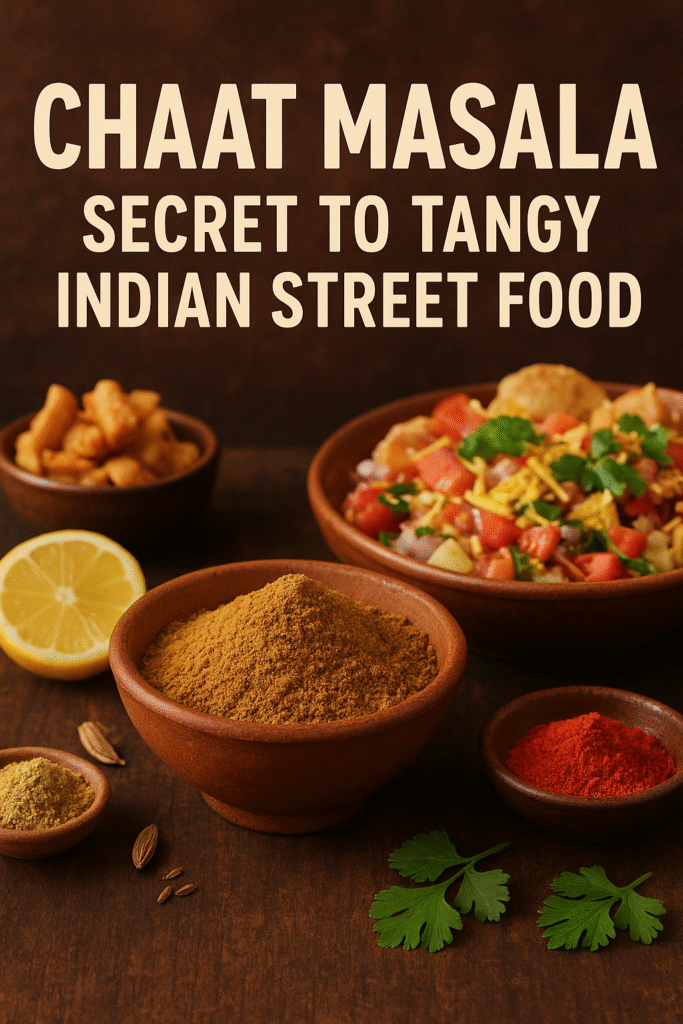
Chaat masala tangy Indian street food gets its distinctive flavor from a spice blend containing amchoor (dried mango powder), black salt, cumin, coriander, and chili. This versatile seasoning adds tangy, spicy, and savory notes instantly.
Walk through any Indian street and your senses explode with aromas. The chaat masala tangy Indian street food vendors use creates that irresistible smell. This magical spice blend transforms simple ingredients into addictive snacks. Understanding chaat masala tangy Indian street food secrets helps you recreate authentic flavors at home.
The chaat masala tangy Indian street food tradition spans centuries. The first chaat spice blend was invented in the 17th century by Mughal emperor Shah Jahan’s kitchen staff when he fell ill and needed light foods. Today, this blend remains essential for authentic Indian flavors. From pani puri to fruit salads, chaat masala tangy Indian street food applications seem endless.
Learning about chaat masala tangy Indian street food means discovering versatility beyond expectations. This guide explores everything—ingredients, health benefits, traditional uses, and creative applications. You will master this essential spice and understand why chaat masala tangy Indian street food tastes so distinctive and addictive.
Contents
- 1 TL;DR (Super Concise Summary)
- 1.1 What Makes Chaat Masala the Heart of Indian Street Food
- 1.2 The Essential Ingredients in Chaat Masala
- 1.3 How Chaat Masala Transforms Street Food
- 1.4 Beyond Street Food: Creative Uses for Chaat Masala
- 1.5 Health Benefits Hidden in Chaat Masala
- 1.6 Making Your Own Chaat Masala at Home
- 1.7 Chaat Masala vs Other Indian Spice Blends
- 1.8 Regional Variations of Chaat Masala Across India
- 1.9 Buying Guide: Choosing Quality Chaat Masala
- 1.10 Storage Tips for Maximum Freshness
- 1.11 Common Mistakes When Using Chaat Masala
- 1.12 Pairing Chaat Masala with Other Spices
- 1.13 Awasthi Masale: Your Source for Authentic Chaat Masala
- 1.14 Conclusion
- 1.15 Frequently Asked Questions
- 1.15.1 What makes chaat masala taste tangy?
- 1.15.2 Can I use chaat masala in regular cooking?
- 1.15.3 Is chaat masala the same as garam masala?
- 1.15.4 How much chaat masala should I use?
- 1.15.5 Does chaat masala need cooking?
- 1.15.6 What are health benefits of chaat masala?
- 1.15.7 How long does chaat masala stay fresh?
- 1.15.8 Can I make chaat masala at home?
- 1.15.9 Why does my chaat masala smell like rotten eggs?
- 1.15.10 Where can I buy authentic chaat masala?
- 1.16 Experience Authentic Chaat Masala Tangy Indian Street Food
TL;DR (Super Concise Summary)
Chaat masala is the tangy, spicy, salty Indian spice blend that gives street foods their signature punch. Made primarily with amchoor (dried mango powder), black salt, cumin, coriander, ginger, and chili, it delivers a unique mix of sourness, heat, and umami that instantly elevates snacks.
It’s essential in classic street foods like pani puri, bhel puri, samosa chaat, aloo tikki, and dahi vada, but it also shines on fruit salads, roasted veggies, eggs, yogurt dishes, soups, and even drinks.
Beyond flavor, chaat masala offers digestive benefits, antioxidants, and vitamins from spices like cumin, coriander, chili, and hing—though its high salt content means it should be used moderately.
You can make it at home by toasting and grinding spices for a fresh, customizable blend. Store-bought versions vary by region, and each vendor often has their own twist.
Use chaat masala as a finishing spice, never cooked, and store it in an airtight jar in a cool, dry place for maximum freshness.
Overall: Chaat masala is the tangy backbone of Indian street food—versatile, bold, and transformative.
What Makes Chaat Masala the Heart of Indian Street Food
Chaat masala is a powdered spice mix originating from the Indian subcontinent, typically used to add flavor to chaat. The word “chaat” refers to savory snacks sold by street vendors across India. The chaat masala tangy Indian street food connection defines authentic taste.
The unique taste of chaat masala tangy Indian street food comes from specific ingredients. Typical blends contain salt, mango powder, white pepper, sugar, cumin, coriander, ginger, citric acid, chili, mint, turmeric and asafoetida. Each component contributes distinct flavor notes creating perfect balance.
Black salt gives chaat masala tangy Indian street food its characteristic smell and taste. This ingredient distinguishes chaat masala from other spice blends. While black salt is essential in chaat masala, it is almost never used in other masala powders. The sulfurous aroma surprises first-time users.
Amchoor, or dried mango powder, provides the tangy punch. This ingredient makes chaat masala tangy Indian street food taste distinctively sour. The fruity acidity balances spicy and savory elements naturally. Fresh mangoes cannot replicate this concentrated tartness.
The chaat masala tangy Indian street food flavor profile defies simple categorization. Chaat combines different tastes such as hot, sweet, pungent, umami with an overriding sour taste. This complexity makes the blend so addictive and unique.
Cumin and coriander form the aromatic base. These spices provide earthy, citrusy notes complementing the tanginess. The chaat masala tangy Indian street food foundation relies on these familiar flavors grounding the blend.
Chili powder adds heat without overwhelming. The spiciness enhances rather than dominates. Different regions adjust heat levels, but chaat masala tangy Indian street food always maintains its tangy character above all else.
The Essential Ingredients in Chaat Masala
Understanding chaat masala tangy Indian street food requires knowing each ingredient’s role. Chaat masala typically consists of amchoor (dried mango powder), cumin, coriander, dried ginger, salt (often black salt), black pepper, asafoetida, and chili powder. Some versions include garam masala for additional depth.
Amchoor (dried mango powder) delivers the signature tangy punch. Green mangoes are dried and ground into fine powder. This ingredient makes chaat masala tangy Indian street food taste sour and fruity simultaneously. No other spice replicates this exact flavor.
Black salt, also called kala namak, has a distinctive sulfurous smell. The chaat masala tangy Indian street food aroma comes largely from this ingredient. Despite the strange smell, black salt adds savory depth and enhances other flavors naturally.
Cumin seeds contribute earthy, warm notes. Cumin seeds are toasted for 2-3 minutes until they deepen in color and become highly aromatic. Toasting releases essential oils maximizing flavor. The chaat masala tangy Indian street food base relies on properly toasted cumin.
Coriander seeds provide citrusy, slightly sweet undertones. They balance the sourness of amchoor. The chaat masala tangy Indian street food formula needs this harmonizing element preventing excessive tartness.
Dried ginger adds warmth and subtle heat. It enhances digestion while contributing spicy notes. The chaat masala tangy Indian street food digestive benefits come partly from ginger’s properties.
Asafoetida (hing) provides umami depth. Just a pinch transforms the blend. Asafoetida contains ferulic acid, which fights cancer-causing free radicals and promotes healthy skin growth. The chaat masala tangy Indian street food health benefits extend beyond taste.
Chili powder provides adjustable heat. Different regions prefer varying spiciness levels. The chaat masala tangy Indian street food versatility allows customization while maintaining core tang.
How Chaat Masala Transforms Street Food
The chaat masala tangy Indian street food magic happens instantly. Chaat masala enhances the flavor of chaat—savory snacks often sold by street food vendors in India and other parts of South Asia. A simple sprinkle elevates ordinary ingredients into extraordinary experiences.
Pani puri becomes addictive with chaat masala tangy Indian street food seasoning. The crispy shells filled with spicy water rely on this blend. The tangy notes cut through richness creating perfect balance. Every bite delivers complex flavor explosions.
Bhel puri showcases chaat masala tangy Indian street food versatility. Puffed rice, vegetables, and chutneys mix with generous seasoning. The blend ties disparate textures and flavors together cohesively. Without chaat masala, bhel puri tastes incomplete.
Aloo tikki gets its signature taste from chaat masala tangy Indian street food application. Potato patties fried golden benefit from tangy sprinkle. The sourness contrasts beautifully with starchy potatoes. Street vendors apply chaat masala liberally for maximum impact.
Samosa chaat demonstrates layered complexity. Crushed samosas topped with yogurt, chutneys, and chaat masala create textural heaven. The chaat masala tangy Indian street food seasoning unifies diverse components. Each spoonful delivers multiple sensations simultaneously.
Dahi vada relies on chaat masala tangy Indian street food for contrast. Soft lentil dumplings in yogurt need that tangy kick. The sourness brightens the creamy, mild dish. Traditional preparations always finish with generous chaat masala dusting.
For the most pronounced flavor, sprinkle chaat masala generously over freshly fried snacks just before serving. The chaat masala tangy Indian street food application timing matters significantly. Adding too early causes flavors to fade.
Street vendors mix their own blends. Street vendors usually mix their own chaat masala, which is sprinkled on chopped-up fruit or fresh vegetables. This customization creates signature tastes. The chaat masala tangy Indian street food tradition thrives through personal touches.
Beyond Street Food: Creative Uses for Chaat Masala
The chaat masala tangy Indian street food applications extend far beyond traditional snacks. This versatile blend enhances countless dishes. Understanding creative uses maximizes your spice investment naturally.
Fruit salads transform with chaat masala tangy Indian street food seasoning. Chaat masala finds use in Indian fruit salads made with papaya, sapodilla, apples and bananas. The tangy spice enhances natural sweetness while adding complexity. Tropical fruits particularly benefit from this treatment.
The flavor of chaat masalas goes well with tropical fruits like mango, pineapple, and watermelon. The chaat masala tangy Indian street food combination with fruit surprises first-timers. The savory-sweet contrast creates addictive flavor profiles. Try this on your next fruit platter.
Yogurt dishes gain excitement from chaat masala tangy Indian street food addition. Mix finely chopped cucumber and tomatoes into yogurt along with chaat masala for a refreshing raita. The tangy spice complements yogurt’s natural sourness. Raita becomes much more interesting instantly.
Roasted vegetables benefit from chaat masala tangy Indian street food seasoning. Sprinkle over cauliflower, potatoes, or carrots before roasting. The spices caramelize creating complex flavors. The tangy notes prevent vegetables from tasting bland.
Drinks gain unexpected depth from chaat masala tangy Indian street food. A pinch in lemonade, iced tea, or a mojito adds a surprising burst of flavor. Savory drinks like buttermilk and lassi traditionally include chaat masala. The spice transforms ordinary beverages into refreshing experiences.
Stir a small amount of chaat masala powder into soups like tomato or butternut squash for an unexpected boost of flavor. The chaat masala tangy Indian street food versatility knows few limits. The bold, tangy notes bring rich layers to simple soups.
Eggs benefit surprisingly from chaat masala tangy Indian street food. Sprinkle over scrambled eggs, omelets, or egg sandwiches. The tangy spice cuts through richness. Many Indians start their day with chaat masala-seasoned eggs.
Health Benefits Hidden in Chaat Masala
The chaat masala tangy Indian street food blend offers more than flavor. Chaat masala contains chemical components that may benefit diabetic individuals and help with high blood pressure. Traditional medicine recognized these benefits long before modern science.
Digestive support ranks among primary chaat masala tangy Indian street food benefits. Black pepper, ginger, and coriander seeds steeped in water are effective ways to avoid regular stomach pain and bloating. These ingredients in chaat masala aid digestion naturally.
Black pepper works wonders in improving the digestion process. Black pepper and coriander have been proved beneficial in reducing bloating and flatulence. The chaat masala tangy Indian street food formula naturally supports gut health. Regular consumption may improve overall digestion.
Vitamin content makes chaat masala tangy Indian street food nutritious. Cumin seeds are a good source of Vitamin A. Red chili has Vitamin A and C, which is great for immunity. Coriander is also a great source of Vitamin C. These nutrients support various bodily functions.
Mineral richness adds nutritional value. Chaat masala is rich in iron and calcium because of ingredients like amchur powder, cumin seeds and hing. The chaat masala tangy Indian street food blend helps prevent deficiencies naturally.
Antioxidant properties protect cells from damage. Hing is a source of ferulic acid, which removes free radicals that causes cancer in the body. The chaat masala tangy Indian street food antioxidants fight oxidative stress naturally.
Blood pressure management benefits from specific ingredients. Coriander seeds are effective for lowering blood pressure. High blood pressure can eventually lead to heart attacks and strokes. The chaat masala tangy Indian street food formula may support cardiovascular health.
Blood sugar control shows promise. Research has suggested that cumin can be a promising treatment for diabetes. The chemical components in cumin can mitigate some of the effects of high blood sugar. The chaat masala tangy Indian street food benefits extend to metabolic health.
Important caution: Medical experts suggest that chaat masala and other such seasoning masalas often have high salt content. The excess sodium found in salt can impact the kidneys. Use chaat masala tangy Indian street food seasonings moderately for best health outcomes.
Making Your Own Chaat Masala at Home
Creating chaat masala tangy Indian street food blend at home ensures freshness and quality. This easy Chaat Masala recipe has the perfect ratios and tastes just like store-bought chaat masala powder, with only 5 essential ingredients. Homemade versions allow customization to personal preferences.
The basic chaat masala tangy Indian street food formula requires five core ingredients. You need cumin seeds, amchoor powder, black salt, chili powder, and black pepper. These create authentic flavor profiles matching commercial blends.
Heat a small skillet over medium heat. Add the cumin seeds and toast, stirring and shaking the skillet often, for 2-3 minutes. The cumin seeds will deepen in color and become highly aromatic. Proper toasting is crucial for chaat masala tangy Indian street food authenticity.
Grinding technique affects final texture. Use a spice grinder or mortar and pestle. Grind ingredients into fine powder for even distribution. The chaat masala tangy Indian street food consistency should resemble commercial products.
Customization lets you adjust flavors. Add more amchoor for extra tanginess. Increase chili for more heat. The chaat masala tangy Indian street food formula accommodates personal preferences easily.
Some recipes include additional spices. Garam masala, ginger powder, or dried mint enhance complexity. The chaat masala tangy Indian street food variations across India reflect regional preferences.
Storage determines longevity. To preserve the freshness of your chaat masala, store it in an airtight container in a cool, dark place, away from direct sunlight and heat. Proper storage maintains chaat masala tangy Indian street food potency.
Store in an airtight spice jar for 6-8 weeks. Since we aren’t using any anti-caking agents, it tends to get a little clumpy. The chaat masala tangy Indian street food freshness beats store-bought versions. Make small batches ensuring maximum flavor.
Quality ingredients make significant differences. Use fresh, aromatic spices. The chaat masala tangy Indian street food quality depends entirely on component quality. Awasthi Masale provides premium individual spices for perfect homemade blends.
Chaat Masala vs Other Indian Spice Blends
Understanding how chaat masala tangy Indian street food differs from other blends prevents confusion. Each Indian spice mix serves specific purposes. Knowing differences helps you choose correctly.
Garam masala contains warming spices like cinnamon, cardamom, and cloves. It adds aromatic depth to curries and stews. The chaat masala tangy Indian street food profile focuses on tanginess rather than warmth. These blends are not interchangeable.
When a recipe mentions Chana Masala or Meat Masala it refers to spices added to make chickpeas or a seasoning for meat. Purpose-specific blends exist for various dishes. The chaat masala tangy Indian street food application remains primarily for finishing and seasoning.
Curry powder represents British interpretation of Indian spices. It typically includes turmeric, coriander, cumin, and fenugreek. The chaat masala tangy Indian street food authenticity contrasts with curry powder’s genericness.
Tandoori masala creates the red color in tandoori chicken. It contains paprika, cayenne, and yogurt-friendly spices. The chaat masala tangy Indian street food tanginess would not work in tandoori marinades.
Sambar powder is South Indian blend for lentil stew. It includes fenugreek, curry leaves, and tamarind. The chaat masala tangy Indian street food lightness differs from sambar powder’s robust earthiness.
Fruit chaat masala exists as specialized variation. Spice brands market an alternate spice mix called fruit chaat masala, which contains less cumin, coriander, and ginger, but more chili pepper, black salt, amchoor and asafoetida. This variation emphasizes chaat masala tangy Indian street food suitability for fruits.
The key distinction lies in application timing. Most spices must be cooked to unleash their flavor, but this is not the case when using chaat masala. The chaat masala tangy Indian street food blend works perfectly as finishing spice.
Regional Variations of Chaat Masala Across India
The chaat masala tangy Indian street food formula varies regionally. Each area adds local touches. Understanding variations enriches appreciation for this versatile blend.
Delhi claims to be the chaat capital. Delhi is most famous for chaat food in India. The country’s capital is also known as the food capital of India for food lovers. Delhi’s chaat masala tangy Indian street food tends toward bold, assertive flavors.
Mumbai’s version includes more chili and less amchoor. The heat level increases while tanginess decreases slightly. The chaat masala tangy Indian street food Mumbai style reflects local preference for spicier foods.
Kolkata adds mustard oil and extra black salt. Bengali tastes prefer pronounced pungency. The chaat masala tangy Indian street food Kolkata variation tastes distinctly different from northern versions.
South Indian versions incorporate curry leaves and extra black pepper. The chaat masala tangy Indian street food southern adaptations reflect regional spice preferences. Some include coconut for added complexity.
Punjab emphasizes dried pomegranate seeds for tanginess. Anardana provides fruity sourness complementing amchoor. The chaat masala tangy Indian street food Punjabi style offers unique depth.
Each vendor creates signature blends. Street vendors usually mix their own chaat masala. This personalization makes chaat masala tangy Indian street food experiences unique at different locations.
Family recipes pass through generations. Grandmothers guard secret ratios. The chaat masala tangy Indian street food tradition preserves cultural heritage through these variations.
Buying Guide: Choosing Quality Chaat Masala
Selecting quality chaat masala tangy Indian street food products ensures authentic flavors. Chaat Masala is a rare spice that Indians prefer to buy pre-mixed rather than make at home. Achieving the perfect combination and balance of flavours can be a challenge. Knowing what to look for helps you choose wisely.
Ingredient lists reveal quality. Check for natural ingredients without artificial additives. The chaat masala tangy Indian street food authenticity depends on pure spices. Avoid blends with fillers or anti-caking agents.
Color indicates freshness. Vibrant, consistent color suggests quality ingredients. The chaat masala tangy Indian street food appearance should look appetizing, not dull or faded.
Aroma testing helps assessment. Fresh chaat masala will have a strong, aromatic fragrance, while older masala may have a milder scent. The chaat masala tangy Indian street food smell should be pungent and sulfurous from black salt.
Brand reputation matters significantly. Established brands maintain consistent quality. The chaat masala tangy Indian street food from reputable sources like Awasthi Masale delivers reliable results. Their three-generation commitment ensures authenticity.
Packaging protects freshness. Look for airtight containers or sealed pouches. The chaat masala tangy Indian street food quality degrades with exposure to air and light. Proper packaging preserves potency.
Price reflects quality usually. Extremely cheap products often use inferior ingredients or fillers. The chaat masala tangy Indian street food investment pays off in authentic flavor. However, the most expensive isn’t automatically best.
Production date matters. Store-bought chaat masala lasts for 6-8 weeks before it starts losing freshness. Buy recently produced batches for maximum chaat masala tangy Indian street food flavor.
Storage Tips for Maximum Freshness
Proper storage maintains chaat masala tangy Indian street food potency. Spices degrade quickly when stored incorrectly. Following these guidelines preserves flavor and aroma naturally.
Store chaat masala in an airtight container in a cool, dark place, away from direct sunlight and heat. The chaat masala tangy Indian street food components lose potency with exposure to light and warmth.
Glass containers work best. They don’t absorb odors or leach chemicals. The chaat masala tangy Indian street food freshness lasts longer in glass versus plastic. Metal tins work acceptably if sealed tightly.
Avoid storing near the stove. Heat accelerates flavor loss. The chaat masala tangy Indian street food location should be away from cooking areas. A dedicated spice cabinet works perfectly.
Never use wet spoons. Moisture causes clumping and promotes mold growth. The chaat masala tangy Indian street food container should remain completely dry. Always use clean, dry measuring spoons.
Since we aren’t using any anti-caking agents, it tends to get a little clumpy. Simply shake or break up any clumps as needed. The chaat masala tangy Indian street food natural clumping doesn’t indicate spoilage.
Replace regularly for best flavor. If stored well, chaat masala will stay flavorful for months or even a year. However, the chaat masala tangy Indian street food taste peaks within first few months.
Buy appropriate quantities. Small amounts used quickly beat large containers going stale. The chaat masala tangy Indian street food freshness cannot be overstated. Quality degrades gradually over time.
Label containers with purchase dates. This helps track freshness. The chaat masala tangy Indian street food management becomes easier with clear labeling. Replace when aroma weakens significantly.
Common Mistakes When Using Chaat Masala
Avoiding errors helps you get full chaat masala tangy Indian street food benefits. Many people misuse this blend. Learning from common mistakes improves your results significantly.
Adding too much overwhelms dishes. When using chaat masala, start with a little and add more if needed. It’s bold and tangy, so a small amount goes a long way. The chaat masala tangy Indian street food potency requires restraint.
Using it in wrong dishes creates confusion. I would suggest not adding it to gravy based curries or creamy base curries. The chaat masala tangy Indian street food applications work best with dry dishes and snacks.
Adding during cooking wastes flavor. Chaat masala works as finishing spice. The chaat masala tangy Indian street food volatile compounds evaporate with prolonged heat. Sprinkle just before serving always.
Storing improperly ruins potency. Leaving containers open near moisture destroys flavor. The chaat masala tangy Indian street food quality depends entirely on proper storage. Follow guidelines strictly.
Using stale masala disappoints. Old spices lose their punch. The chaat masala tangy Indian street food experience requires fresh product. Replace regularly for best results.
Not tasting as you go causes overseasoning. Different brands have varying strength. The chaat masala tangy Indian street food intensity varies between products. Always taste before adding more.
Expecting it to taste like garam masala leads to confusion. These are completely different blends. The chaat masala tangy Indian street food character is unique. Don’t substitute one for the other.
Pairing Chaat Masala with Other Spices
The chaat masala tangy Indian street food blend works beautifully with complementary spices. Understanding pairings creates more complex flavor profiles. Strategic combinations elevate your cooking naturally.
Fresh coriander leaves enhance chaat masala perfectly. The herb’s brightness complements the tangy notes. The chaat masala tangy Indian street food combination with cilantro appears in most street snacks.
Mint provides cooling contrast. It balances heat while adding freshness. The chaat masala tangy Indian street food pairing with mint works especially well in drinks and chutneys.
Tamarind intensifies sourness. Together they create ultra-tangy profiles. The chaat masala tangy Indian street food synergy with tamarind suits bold palates. Use this combination carefully.
Roasted cumin amplifies earthiness. Additional cumin deepens the flavor base. The chaat masala tangy Indian street food enhancement with extra cumin works for potato dishes particularly.
Chili flakes add customizable heat. Increase spiciness without changing other flavors. The chaat masala tangy Indian street food flexibility allows heat adjustment to personal preference.
Lemon juice brightens and enhances tanginess. Citrus and spice work synergistically. The chaat masala tangy Indian street food combination with lemon creates refreshing, zesty flavors.
Yogurt mellows intensity. Dairy balances strong flavors. The chaat masala tangy Indian street food pairing with yogurt appears in raita and chaat preparations naturally.
Awasthi Masale: Your Source for Authentic Chaat Masala
Quality matters tremendously for chaat masala tangy Indian street food authenticity. Awasthi Masale understands the importance of traditional preparation methods. Their chaat masala delivers genuine street food flavors consistently.
Awasthi Masale uses only premium ingredients. High-quality amchoor, authentic black salt, and fresh spices create superior blends. The chaat masala tangy Indian street food from Awasthi Masale matches traditional street vendor preparations.
Their three-generation commitment ensures authenticity. Family recipes passed down preserve cultural heritage. The chaat masala tangy Indian street food tradition continues through Awasthi Masale’s dedication to quality.
Proper proportions create balanced flavors. Too much of any ingredient ruins the blend. The chaat masala tangy Indian street food formula at Awasthi Masale achieves perfect harmony naturally.
Freshness guarantees maximum flavor. Awasthi Masale produces in small batches ensuring peak potency. The chaat masala tangy Indian street food freshness you receive delivers authentic taste experiences.
Consistent quality builds trust. Every purchase delivers the same excellent results. The chaat masala tangy Indian street food reliability from Awasthi Masale eliminates disappointment.
Traditional processing methods preserve bioactive compounds. Modern shortcuts often reduce therapeutic properties. The chaat masala tangy Indian street food from Awasthi Masale maintains both flavor and health benefits.
Conclusion
The chaat masala tangy Indian street food tradition enriches Indian cuisine immeasurably. This versatile spice blend transforms ordinary ingredients into extraordinary experiences. Understanding chaat masala tangy Indian street food applications opens countless culinary possibilities.
From traditional street snacks to creative modern uses, chaat masala proves endlessly adaptable. The chaat masala tangy Indian street food secret lies in perfect balance—tangy, spicy, savory, and slightly sweet notes harmonizing beautifully.
Quality ingredients make all the difference. The chaat masala tangy Indian street food authenticity depends on using proper components in correct proportions. Fresh, properly stored masala delivers maximum flavor impact.
Start experimenting with chaat masala tangy Indian street food today. Try it on fruits, vegetables, snacks, and drinks. The versatility will surprise you. Your kitchen will smell like Indian streets instantly.
The chaat masala tangy Indian street food journey connects you with centuries of culinary tradition. Every sprinkle honors street vendors perfecting these flavors for generations. Embrace this magical blend and transform your cooking forever.
Frequently Asked Questions
What makes chaat masala taste tangy?
Amchoor (dried mango powder) provides the signature tanginess. Black salt adds savory depth while cumin and coriander balance the sourness with earthy, citrusy notes naturally.
Can I use chaat masala in regular cooking?
Yes, but it works best as finishing spice on dry dishes. Avoid adding to gravies or creamy curries. Sprinkle on roasted vegetables, eggs, salads, and snacks.
Is chaat masala the same as garam masala?
No, they’re completely different. Garam masala contains warming spices like cinnamon and cardamom. Chaat masala features tangy spices like amchoor and black salt with distinct flavor profiles.
How much chaat masala should I use?
Start with a pinch and add more gradually. The bold, tangy flavor requires moderation. For most dishes, quarter to half teaspoon per serving works well.
Does chaat masala need cooking?
No, chaat masala works as finishing spice. Unlike other blends requiring cooking, sprinkle chaat masala just before serving. Heat diminishes its aromatic volatile compounds quickly.
What are health benefits of chaat masala?
It aids digestion, provides vitamins A and C, contains minerals like iron and calcium, and includes antioxidants. However, watch sodium content as excessive salt affects blood pressure.
How long does chaat masala stay fresh?
Properly stored in airtight containers away from heat and light, chaat masala maintains peak flavor for 6-8 weeks. It remains usable for months but gradually loses potency.
Can I make chaat masala at home?
Yes, with just five ingredients: toasted cumin seeds, amchoor powder, black salt, chili powder, and black pepper. Grind into fine powder and store in airtight containers.
Why does my chaat masala smell like rotten eggs?
Black salt contains sulfur compounds creating that distinctive smell. The sulfurous aroma is characteristic and normal. The taste is much more pleasant than the initial smell suggests.
Where can I buy authentic chaat masala?
Purchase from reputable brands like Awasthi Masale ensuring quality and authenticity. Indian grocery stores stock various brands. Check ingredient lists for natural components without artificial additives. It is FSSAI approved
Experience Authentic Chaat Masala Tangy Indian Street Food
Transform your cooking with premium chaat masala from Awasthi Masale. Our traditional blend captures authentic street food flavors using only the finest ingredients. Three generations of expertise ensure every sprinkle delivers genuine taste. Shop our complete spice collection and bring Indian street food magic to your kitchen today. shop at awasthimasale.com