
Contents
- 1 Introduction
- 2 TLDR
- 3 What Is Sambar Masala?
- 4 History and Cultural Significance
- 5 Essential Ingredients Breakdown
- 6 Traditional Sambar Masala Recipe
- 7 Regional Recipe Variations
- 8 How to Use Sambar Masala
- 9 Health Benefits of Sambar Masala
- 10 Buying Guide: Best Commercial Brands
- 11 Storage and Shelf Life
- 12 Common Mistakes to Avoid
- 13 Pairing Sambar with Other Dishes
- 14 Sambar Masala for Special Diets
- 15 Frequently Asked Questions
- 16 Conclusion
- 17 Ready to Make Authentic Sambar?
Introduction
Sambar masala transforms ordinary lentils and vegetables into an extraordinary South Indian dish. This spice blend captures the essence of Tamil, Kannadiga, Malayali, and Telugu cuisines through carefully balanced ingredients that have been perfected over generations.
Quick Answer: Sambar masala is a traditional South Indian spice blend combining roasted coriander seeds, dried red chilies, fenugreek seeds, curry leaves, and other aromatics. It creates the distinctive flavor profile of sambar, a lentil-vegetable stew consumed daily across millions of South Indian households.
Making sambar masala at home ensures freshness and allows customization to your taste preferences. Commercial brands offer convenience, but nothing compares to the aroma of freshly ground spices filling your kitchen. This guide covers everything from traditional recipes to modern variations, helping you master this cornerstone of South Indian cooking.
Whether you’re a home cook exploring regional Indian cuisines or someone raised on sambar looking to recreate authentic flavors, understanding sambar masala opens doors to countless delicious possibilities.
TLDR
Sambar masala is a fragrant spice blend essential to South Indian cooking, made from roasted coriander seeds, dried chilies, fenugreek, and curry leaves. This aromatic powder adds depth to sambar, a lentil-based vegetable stew served across Tamil Nadu, Karnataka, Kerala, and Andhra Pradesh. You can buy ready-made versions or make fresh sambar masala at home for superior taste. The spice mix offers digestive benefits, anti-inflammatory properties, and rich cultural heritage dating back centuries.
What Is Sambar Masala?
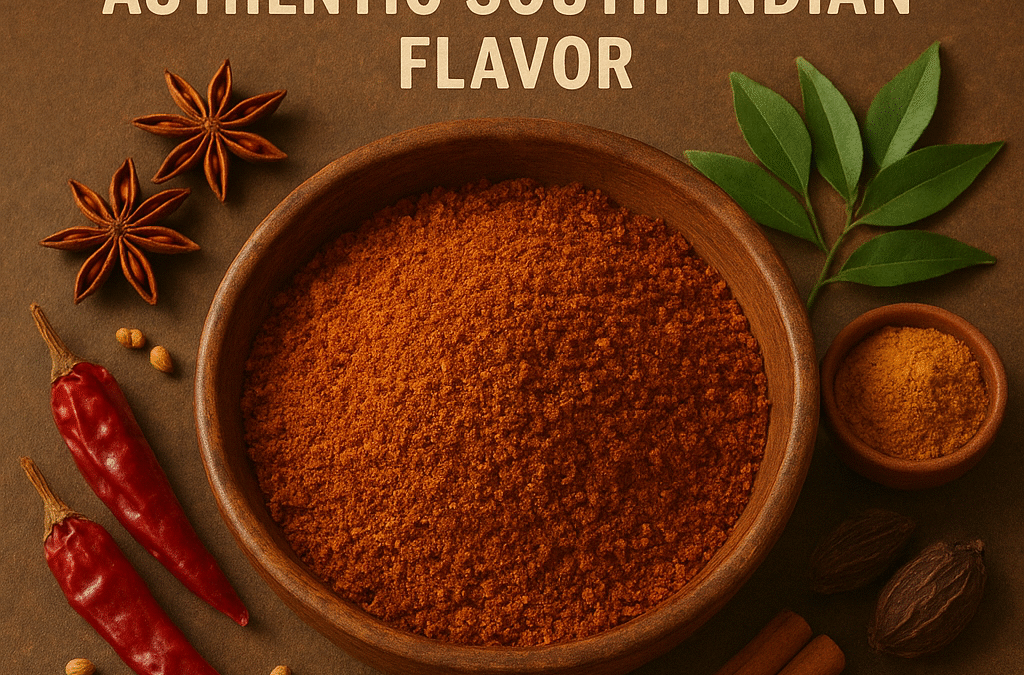
Sambar masala is a complex spice powder specifically formulated for preparing sambar. The blend contains between 10 to 15 ingredients depending on regional traditions and family recipes.
The base always includes coriander seeds as the dominant spice. Dried red chilies provide heat and color. Fenugreek seeds add a slightly bitter undertone that balances the overall flavor. Curry leaves contribute an unmistakable aromatic quality that defines South Indian cooking.
Core Ingredients
The essential components rarely vary across recipes:
Coriander seeds form approximately 40-50% of the mixture. They provide earthy, citrusy notes that serve as the foundation.
Dried red chilies like Byadgi or Kashmiri varieties deliver color without excessive heat. Guntur chilies create spicier versions.
Fenugreek seeds must be used sparingly since they turn bitter when overused. A small quantity adds depth and aids digestion.
Chana dal (split Bengal gram) thickens the masala and adds body when ground. Some recipes use urad dal instead.
Curry leaves are dried and added for authentic South Indian character. Fresh leaves work for immediate use but don’t store well.
Regional Variations
Tamil Nadu versions often include more fenugreek and asafoetida. Karnataka recipes might add poppy seeds or dried coconut. Kerala styles incorporate more black pepper for heat. Andhra Pradesh variations use more red chilies, creating spicier profiles.
Each family guards their proportion secrets, passed down through generations. These subtle differences make every household’s sambar unique.
History and Cultural Significance
Sambar originated in the kitchen of Maratha ruler Shahuji during the 17th century in Thanjavur, Tamil Nadu. Historical accounts suggest his head cook improvised when ingredients for a traditional dish ran short. He substituted tamarind and local spices, creating what became sambar.
The name likely derives from “sambhar,” though some culinary historians debate this origin. Regardless of etymology, the dish quickly spread throughout South India, becoming a staple food.
Cultural Importance
Sambar represents South Indian identity in Indian cuisine globally. No South Indian meal feels complete without it. The dish appears at breakfast with idli and dosa, at lunch with rice, and dinner with various accompaniments.
Temples across South India serve sambar as prasadam (blessed food). Wedding feasts always include large quantities. Festivals feature special sambar variations with seasonal vegetables.
The spice blend itself carries cultural weight. Grandmothers traditionally prepared large batches, storing them in airtight containers. The process of roasting and grinding spices together was a family activity, teaching younger generations about proportions and techniques.
Evolution Over Time
Modern sambar masala has evolved from these traditional methods. Commercial production began in the early 20th century as urbanization increased. Companies like MTR, Aachi, and Eastern developed standardized recipes.
However, many families still prefer homemade versions. The practice connects them to culinary heritage while ensuring quality control over ingredients.
Essential Ingredients Breakdown
Understanding each ingredient’s role helps you adjust recipes to your preference.
Coriander Seeds (Dhaniya)
These small, round seeds provide the bulk of sambar masala. They offer mild, sweet flavor with citrus undertones. Roasting enhances their aroma significantly.
Coriander aids digestion and contains antioxidants. It mellows the heat from chilies while adding complexity.
Dried Red Chilies
Byadgi chilies are preferred for their deep red color and moderate heat. Kashmiri chilies work similarly. For extra spice, add Guntur or similar hot varieties.
Chilies contain capsaicin, which boosts metabolism and provides anti-inflammatory benefits. They’re rich in vitamin C and vitamin A.
Fenugreek Seeds (Methi)
These small, rectangular seeds taste slightly bitter and smell like maple syrup when roasted. They’re crucial for authentic sambar flavor but should comprise only 5-10% of the total blend.
Fenugreek helps control blood sugar levels and supports digestive health. It adds a distinctive taste that many associate with South Indian food.
Curry Leaves (Kadi Patta)
These aromatic leaves are non-negotiable for authentic flavor. Dried curry leaves work best in the spice blend, though fresh ones can be added during cooking.
Curry leaves support hair health, regulate cholesterol, and provide antioxidants. Their unique aroma cannot be replicated by any substitute.
Chana Dal and Urad Dal
These lentils add thickness and nutty flavor when roasted and ground. They help bind the spices together and add protein content.
Chana dal provides a mild sweetness. Urad dal contributes earthiness. Some recipes use both.
Supporting Spices
Black pepper adds sharp heat and aids nutrient absorption.
Cumin seeds contribute warmth and earthiness.
Mustard seeds provide pungent undertones.
Asafoetida (hing) adds an onion-garlic flavor and prevents gas.
Turmeric powder offers color, anti-inflammatory properties, and earthy flavor.
Cinnamon and cloves appear in some recipes for subtle sweetness and warmth.
Traditional Sambar Masala Recipe
This recipe yields approximately one cup of masala powder, enough for 15-20 servings of sambar.
Ingredients
- 1 cup coriander seeds
- 15-20 dried red chilies (Byadgi or Kashmiri)
- 2 tablespoons fenugreek seeds
- 3 tablespoons chana dal
- 2 tablespoons urad dal
- 1 tablespoon cumin seeds
- 1 tablespoon black peppercorns
- 1 teaspoon mustard seeds
- 2 dried red chilies (for extra heat, optional)
- 15-20 curry leaves (dried)
- Small piece of asafoetida (optional)
- 1/2 teaspoon turmeric powder (add after roasting)
Step-by-Step Instructions
Step 1: Prepare ingredients. Measure all spices accurately. Remove stems from dried chilies. Ensure curry leaves are completely dry.
Step 2: Dry roast separately. Heat a heavy-bottomed pan over low to medium heat. Roast each ingredient separately to prevent burning.
Start with coriander seeds. Stir continuously for 3-4 minutes until fragrant and slightly darker. Transfer to a plate.
Roast chana dal and urad dal together for 2-3 minutes until golden. Remove.
Roast dried chilies for 1-2 minutes until they puff slightly and darken. Don’t burn them or the masala will taste bitter.
Roast fenugreek seeds very briefly (30-45 seconds) until aromatic. They burn quickly and turn bitter if over-roasted.
Roast cumin, black pepper, and mustard seeds together for 1-2 minutes.
Finally, roast curry leaves briefly until crisp. They should crumble easily.
Step 3: Cool completely. Spread all roasted ingredients on a large plate. Allow them to cool to room temperature for 15-20 minutes. This prevents condensation in the storage container.
Step 4: Grind to powder. Transfer all roasted ingredients to a spice grinder or mixer. Add turmeric powder and asafoetida if using.
Grind in short pulses initially, then continuously until you achieve a fine powder. This takes 2-3 minutes in most grinders.
Don’t grind too long or the mixture will heat up and lose aroma.
Step 5: Sieve if desired. For ultra-fine powder, pass through a fine mesh sieve. Regrind any coarse particles.
Step 6: Store properly. Transfer to a clean, dry, airtight glass or steel container. Store in a cool, dark place away from moisture and heat.
Pro Tips
- Low heat prevents burning while developing deep flavors.
- Separate roasting ensures each ingredient reaches optimal doneness.
- Cool ingredients completely before grinding to preserve essential oils.
- Grind in small batches if making large quantities for better texture.
- Label containers with preparation dates. Freshness matters.
Regional Recipe Variations
Different South Indian states have distinct sambar masala preferences reflecting local tastes and available ingredients.
Tamil Nadu Style
Tamil sambar masala emphasizes fenugreek slightly more than other versions. The blend uses more asafoetida and includes dried coconut in some family recipes.
Ingredients often include poppy seeds for thickness and sesame seeds for nutty flavor. The result is complex and deeply aromatic.
Karnataka Style
Karnataka versions, particularly around Mysore and Bangalore, often incorporate dried grated coconut. This adds richness and slightly sweet undertones.
They may use less fenugreek and more cumin. Black pepper features more prominently for warmth without excessive chili heat.
Kerala Style
Kerala sambar masala tends toward spicier profiles with more black pepper and green chilies (dried). Coconut oil is the preferred cooking fat, influencing the overall flavor profile.
Some recipes include dried tamarind in the masala itself, though this is less common.
Andhra Pradesh Style
Andhra versions are typically the spiciest, reflecting the region’s love for heat. They use more Guntur chilies and less fenugreek.
Garlic powder sometimes appears in modern Andhra recipes, though traditional versions avoid it. The masala works well with the tangy, spicy Andhra-style sambar.
Hotel-Style Sambar Masala
South Indian restaurants often use modified recipes with dried mango powder, tamarind powder, or kokum for tartness built into the masala. This simplifies preparation during busy service.
Commercial curry powders may be blended in for color and convenience. These versions prioritize consistency and shelf stability over traditional authenticity.
How to Use Sambar Masala
Sambar masala is versatile beyond the traditional sambar preparation.
In Classic Sambar
For basic sambar serving 4-6 people, you’ll need:
- 1 cup toor dal (pigeon peas)
- 2-3 cups mixed vegetables (drumstick, brinjal, pumpkin, okra, radish, carrot)
- Small lemon-sized ball of tamarind
- 2-3 tablespoons sambar masala
- Salt to taste
- Tempering: mustard seeds, curry leaves, asafoetida in oil or ghee
Cook dal with turmeric until soft. Separately cook vegetables until tender. Extract tamarind juice by soaking in warm water.
Combine cooked dal, vegetables, and tamarind water. Add sambar masala and salt. Simmer for 10 minutes to blend flavors.
Prepare tempering by heating oil, adding mustard seeds until they splutter, then curry leaves and asafoetida. Pour over sambar.
Quantity Guidelines
- Mild sambar: 1.5-2 tablespoons per 4 servings
- Medium spice: 2-3 tablespoons per 4 servings
- Spicy sambar: 3-4 tablespoons per 4 servings
Adjust according to your heat tolerance and masala strength.
Beyond Traditional Sambar
Sambar rice: Mix cooked rice with prepared sambar for a one-pot meal.
Vada sambar: Serve as a dipping sauce for medu vada (lentil fritters).
Sambar pasta: Fusion dish using sambar as pasta sauce with vegetables.
Vegetable stir-fry: Add 1-2 teaspoons to vegetable stir-fries for South Indian flavor.
Sambar powder in soups: Mix into lentil or vegetable soups for depth.
Marinades: Blend with yogurt and oil as a marinade for vegetables or paneer before grilling.
Health Benefits of Sambar Masala
The spice blend offers numerous health advantages beyond flavor enhancement.
Digestive Health
Coriander, cumin, and fenugreek all support healthy digestion. They stimulate digestive enzyme production and reduce bloating.
Asafoetida prevents gas formation and eases stomach discomfort. Curry leaves improve gut health through antimicrobial properties.
Anti-Inflammatory Properties
Turmeric contains curcumin, a powerful anti-inflammatory compound. Chilies provide capsaicin, which reduces inflammation.
Black pepper enhances curcumin absorption by up to 2000%. This combination makes sambar masala particularly beneficial for inflammatory conditions.
Blood Sugar Management
Fenugreek seeds help regulate blood sugar levels by slowing carbohydrate absorption. This makes sambar a relatively diabetes-friendly dish when prepared without excess oil or sugar.
Cinnamon (when included) also supports healthy blood glucose levels.
Antioxidant Content
Coriander, chilies, curry leaves, and turmeric all contain significant antioxidants. These compounds fight free radicals and support cellular health.
Regular consumption may reduce oxidative stress and support longevity.
Metabolic Benefits
Capsaicin from chilies boosts metabolism and supports weight management. Black pepper and cumin also have thermogenic properties.
The spice blend’s protein content from lentils adds nutritional value while supporting satiety.
Cardiovascular Support
Several ingredients support heart health. Coriander may help lower bad cholesterol. Fenugreek supports healthy lipid profiles.
Curry leaves contain compounds that may help regulate cholesterol levels.
Buying Guide: Best Commercial Brands
If making homemade masala isn’t feasible, several reliable brands offer quality products.
Premium Brands
MTR Sambar Powder is widely available and maintains consistent quality. Their recipe balances heat and aroma well. It’s suitable for everyday cooking.
Aachi Sambar Powder offers authentic Tamil-style flavor with prominent fenugreek notes. It’s slightly spicier than MTR.
Eastern Sambar Powder provides good value with reliable taste. Available in multiple size options.
Everest Sambar Masala delivers consistent results with nationwide availability. Slightly milder than traditional recipes.
Regional Specialty Brands
Grand Sweets & Snacks (Chennai) produces traditional Tamil-style masala with authentic flavor profiles.
Brahmin’s offers Karnataka-style sambar powder popular in Bangalore.
Catch Sprinklers Sambar Masala comes in shaker bottles for convenient use and storage.
What to Look For
Check manufacturing dates and choose the freshest available. Sambar masala loses potency after 6 months.
Examine ingredient lists. Premium brands list individual spices rather than vague terms like “spices and condiments.”
Avoid products with artificial colors, excessive salt, or preservatives like sodium benzoate.
Look for vacuum-sealed or nitrogen-flushed packaging that protects against moisture and oxidation.
Read reviews focusing on aroma and heat level to match your preferences.
Price Considerations
Expect to pay ₹40-80 for 100g of standard brands. Premium or organic versions cost ₹100-200 for the same quantity.
Bulk purchases offer savings but only make sense if you use sambar masala regularly. Smaller quantities ensure freshness for occasional users.
Storage and Shelf Life
Proper storage preserves flavor and potency significantly longer.
Container Selection
Glass jars with airtight lids work best. They don’t absorb odors and protect against moisture.
Steel containers are good alternatives. Avoid plastic, which can retain odors and allow air penetration.
Storage Location
Store in a cool, dark place away from the stove. Heat and light degrade essential oils quickly.
Kitchen cabinets away from cooking areas are ideal. Avoid storing near the refrigerator’s heat exhaust or windows with direct sunlight.
Never store spices above the stove despite convenience. The heat drastically reduces shelf life.
Shelf Life Guidelines
Homemade sambar masala maintains peak flavor for 2-3 months. It remains usable for 4-6 months with gradually diminishing aroma.
Commercial products last 6-12 months unopened due to packaging technology. Once opened, use within 4-6 months.
Freshness Indicators
Fresh sambar masala has strong, pleasant aroma immediately upon opening the container.
Color should be vibrant red-brown. Faded color indicates age and flavor loss.
If the masala smells musty or rancid, discard it. Moisture exposure causes spoilage.
Clumping indicates moisture damage. If clumps break apart easily, the masala may still be usable, but if hard lumps form, it’s compromised.
Tips to Extend Shelf Life
- Always use a dry spoon when removing masala from containers.
- Never return unused masala to the storage container after measuring.
- Consider vacuum-sealing portions if making large batches.
- Refrigeration can extend shelf life but ensure the container is completely airtight to prevent condensation.
- Add a few grains of rice to the container to absorb excess moisture.
Common Mistakes to Avoid
Even experienced cooks make errors that affect sambar masala quality.
Over-Roasting Ingredients
This is the most common mistake. Spices continue cooking after removing from heat. Slightly under-roasting is better than over-roasting.
Burnt spices taste bitter and create an unpleasant aroma throughout the entire masala. There’s no fixing this mistake.
Incorrect Proportions
Too much fenugreek makes sambar excessively bitter. Too little and the authentic flavor disappears.
Excess chilies overpower other spices. Balance matters more than following recipes exactly.
Grinding While Warm
Hot spices release moisture during grinding, creating paste rather than powder. They also lose volatile aromatic compounds.
Always cool ingredients completely before grinding.
Poor Storage Practices
Exposure to air, light, and heat rapidly degrades quality. Invest in proper storage containers.
Storing near strong-smelling foods can cause the masala to absorb unwanted odors.
Using Low-Quality Ingredients
Old spices with diminished aroma produce weak masala. Start with fresh, aromatic whole spices.
Broken, dirty, or adulterated spices should be avoided entirely.
Skipping the Roasting Step
Some people grind raw spices to save time. Roasting transforms flavors through chemical changes that cannot be replicated by cooking the masala later.
Raw spice powder tastes harsh and lacks complexity.
Not Adjusting for Personal Taste
Recipes are guidelines, not laws. Your family’s preference matters more than tradition if you’re the one eating it.
Start with standard proportions, then adjust gradually until you find your ideal balance.
Pairing Sambar with Other Dishes
Sambar is remarkably versatile and complements numerous South Indian preparations.
Classic Combinations
Idli and sambar: Soft, steamed rice cakes dipped in hot sambar create the quintessential South Indian breakfast.
Dosa with sambar: Crispy crepes served with sambar and coconut chutney form another breakfast staple.
Vada sambar: Crunchy lentil donuts soaked in sambar make a satisfying snack or breakfast.
Rice and sambar: The most common lunch combination, often with vegetable sides and pickle.
Less Common Pairings
Uttapam: Thick rice pancakes with vegetable toppings pair wonderfully with sambar.
Pongal: Creamy rice and lentil porridge gains dimension from a side of sambar.
Idiyappam: Delicate rice noodles served with sambar create a light meal.
Appam: Soft, lacy rice pancakes with crispy edges complement sambar’s robust flavors.
Complete Meal Planning
A traditional South Indian meal might include:
- Sambar
- Rasam (tangy soup)
- Vegetable poriyal (stir-fry)
- Kootu (lentil-vegetable curry)
- Pickle
- Papad
- Rice
- Curd
Sambar serves as the main protein source when prepared with lentils and vegetables. This combination provides complete nutrition.
Modern Fusion Uses
Creative cooks use sambar in non-traditional ways:
- Sambar flavored quinoa bowls
- Sambar as pizza sauce (surprisingly delicious)
- Sambar mac and cheese
- Sambar ramen
- Sambar burrito filling
While purists may object, these adaptations introduce South Indian flavors to new audiences.
Sambar Masala for Special Diets
The spice blend adapts well to various dietary requirements.
Vegan and Vegetarian
Traditional sambar masala is naturally vegan. Sambar itself is plant-based when prepared with vegetable oil instead of ghee.
The combination of lentils and rice provides complete protein, making sambar an excellent vegan main course.
Gluten-Free
All traditional sambar masala ingredients are naturally gluten-free. Verify commercial brands don’t include wheat-based fillers.
Sambar served with rice creates a satisfying gluten-free meal.
Low-Sodium
Commercial sambar masalas sometimes contain added salt. Make homemade versions to control sodium content.
Prepare sambar with minimal salt, using lemon juice and tamarind for flavor instead.
Low-FODMAP Considerations
Asafoetida can trigger sensitivities in some people. Omit it if following a low-FODMAP diet.
Limit onion and garlic (if added during cooking). The masala itself contains minimal FODMAPs.
Diabetic-Friendly
Sambar masala contains no sugar. The fenugreek actually helps regulate blood glucose.
Control portion sizes and pair with brown rice instead of white for better glycemic response.
Avoid adding jaggery or sugar to sambar, which some recipes include for balance.
Pregnancy and Nursing
Sambar masala is safe during pregnancy and breastfeeding. Fenugreek may even support milk production.
Some women reduce chili content during pregnancy if experiencing heartburn.
The nutritional benefits support maternal and fetal health well.
Frequently Asked Questions
What is sambar masala made of?
Sambar masala contains roasted coriander seeds, dried red chilies, fenugreek seeds, chana dal, urad dal, cumin, black pepper, curry leaves, and sometimes asafoetida. Proportions vary by region but coriander forms the base.
Can I substitute garam masala for sambar masala?
No, garam masala cannot replace sambar masala. Garam masala contains warming spices like cardamom, cinnamon, and cloves. It lacks fenugreek and curry leaves essential for authentic sambar flavor. The taste will be completely different.
How long does homemade sambar masala last?
Homemade sambar masala maintains peak flavor for 2-3 months when stored properly in airtight containers. It remains usable for 4-6 months but with gradually diminishing aroma and potency.
Is sambar masala spicy hot?
Spice level varies by recipe and brand. Traditional versions offer moderate heat from dried red chilies. Adjust chili quantity when making homemade masala. Karnataka styles tend milder while Andhra versions are spicier.
Can sambar masala be used in other dishes?
Yes, sambar masala works in vegetable stir-fries, soups, marinades, and fusion dishes. It adds South Indian character to lentils, beans, and mixed vegetables. Start with small quantities when experimenting.
What’s the difference between sambar powder and rasam powder?
Sambar powder emphasizes coriander and fenugreek with moderate spice. Rasam powder features more black pepper, cumin, and minimal fenugreek. Rasam is thinner and sourer while sambar is thicker with vegetables.
Do I need to roast spices for sambar masala?
Yes, roasting is essential. It develops complex flavors through chemical reactions that cannot occur otherwise. Raw spice powder tastes harsh and lacks the characteristic sambar aroma. Never skip this step.
Can I freeze sambar masala?
Freezing isn’t necessary and may cause moisture condensation issues. Store in airtight containers in a cool, dark place. Refrigeration can extend shelf life but ensure containers seal completely.
Why does my sambar taste bitter?
Excess fenugreek causes bitterness. Over-roasted spices, especially fenugreek or dried chilies, also create bitter flavors. Reduce fenugreek to 5-7% of total masala. Roast on low heat carefully.
Is sambar masala good for digestion?
Yes, multiple ingredients support digestive health. Coriander, cumin, and fenugreek stimulate enzyme production. Asafoetida prevents gas. Curry leaves offer antimicrobial benefits. Regular consumption may improve gut health.
Conclusion
Sambar masala represents centuries of culinary evolution distilled into a single spice blend. This aromatic powder transforms simple lentils and vegetables into the comfort food millions of South Indians grew up eating.
Making sambar masala at home connects you to authentic traditions while allowing customization. The process of roasting and grinding whole spices creates incomparable freshness and aroma. Commercial brands offer convenience but cannot match homemade quality.
Understanding each ingredient’s role empowers you to adjust recipes to your family’s preferences. Regional variations demonstrate how diverse South Indian cuisine truly is, with each state contributing unique perspectives on this essential spice blend.
The health benefits extend beyond nutrition. Sambar provides comfort, cultural connection, and shared meals that bring families together. Learning to prepare authentic sambar masala honors the grandmothers who perfected these recipes through generations of practice.
Whether you’re making your first batch or perfecting a family recipe, sambar masala rewards attention to detail. Source quality ingredients, roast patiently, cool completely, and store properly. These simple steps ensure your sambar tastes as good as any temple kitchen or grandmother’s recipe.
Start with the traditional recipe provided here, then experiment gradually. Taste, adjust, and make it your own. That’s exactly what South Indian cooks have done for centuries, creating the rich diversity of sambar styles we enjoy today.
Ready to Make Authentic Sambar?
Start your South Indian cooking journey by preparing fresh sambar masala this weekend. Gather quality whole spices, follow the roasting instructions carefully, and experience the difference homemade masala makes. Your family will taste the love and tradition in every spoonful of sambar you serve.
For more authentic South Indian recipes and spice blend guides, explore our collection of regional cooking resources. Share your sambar masala results and family recipe variations in the comments below!
“Essential Indian Spice Blends Every Home Cook Should Know” https://www.ayush.gov.in (for health benefits of traditional spices used in Indian cooking)